
Simple present or present progressive?
Taken from Alexander, L. G. (1998), Longman English Grammar Practice for intermediate students, Harlow, Longman
Simple present or present progressive?
Taken from Alexander, L. G. (1998), Longman English Grammar Practice for intermediate students, Harlow, Longman
Find the opposites of the words on the left. Choose from the ones in the box on the right:
 Tomorrow the answers will be available on Facebook: Free English Materials (Album: Quizzes’ answers)
Taken from Peter Watcyn-Jones (2000), Test Your Vocabulary 2, Edinburgh, Pearson Education Limited.
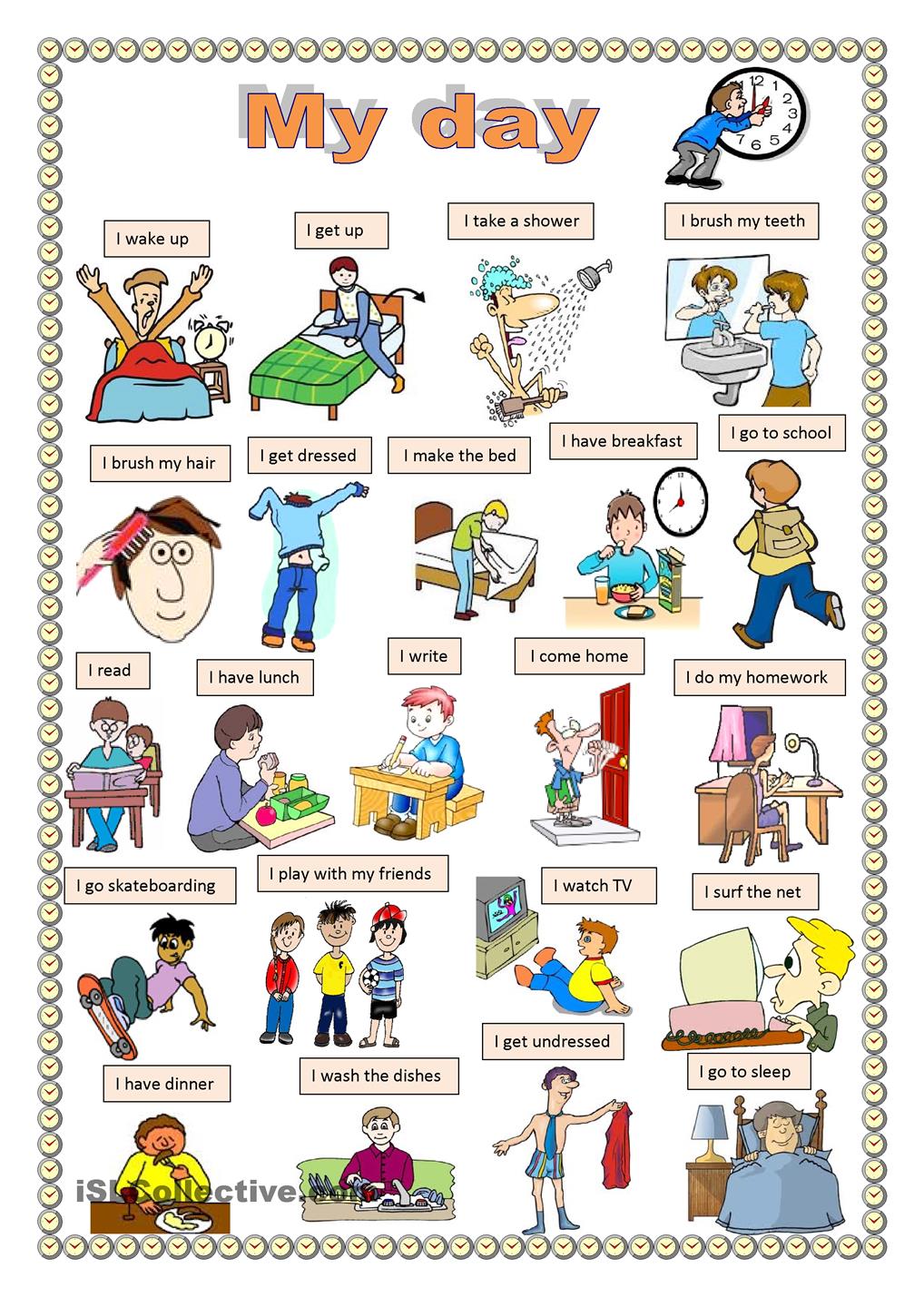
iSLCollective (Internet Second Language Collective) is a website where you can find useful resources. You must register in order to download the handouts, but it’s for free. For example, this is a poster on daily activities:
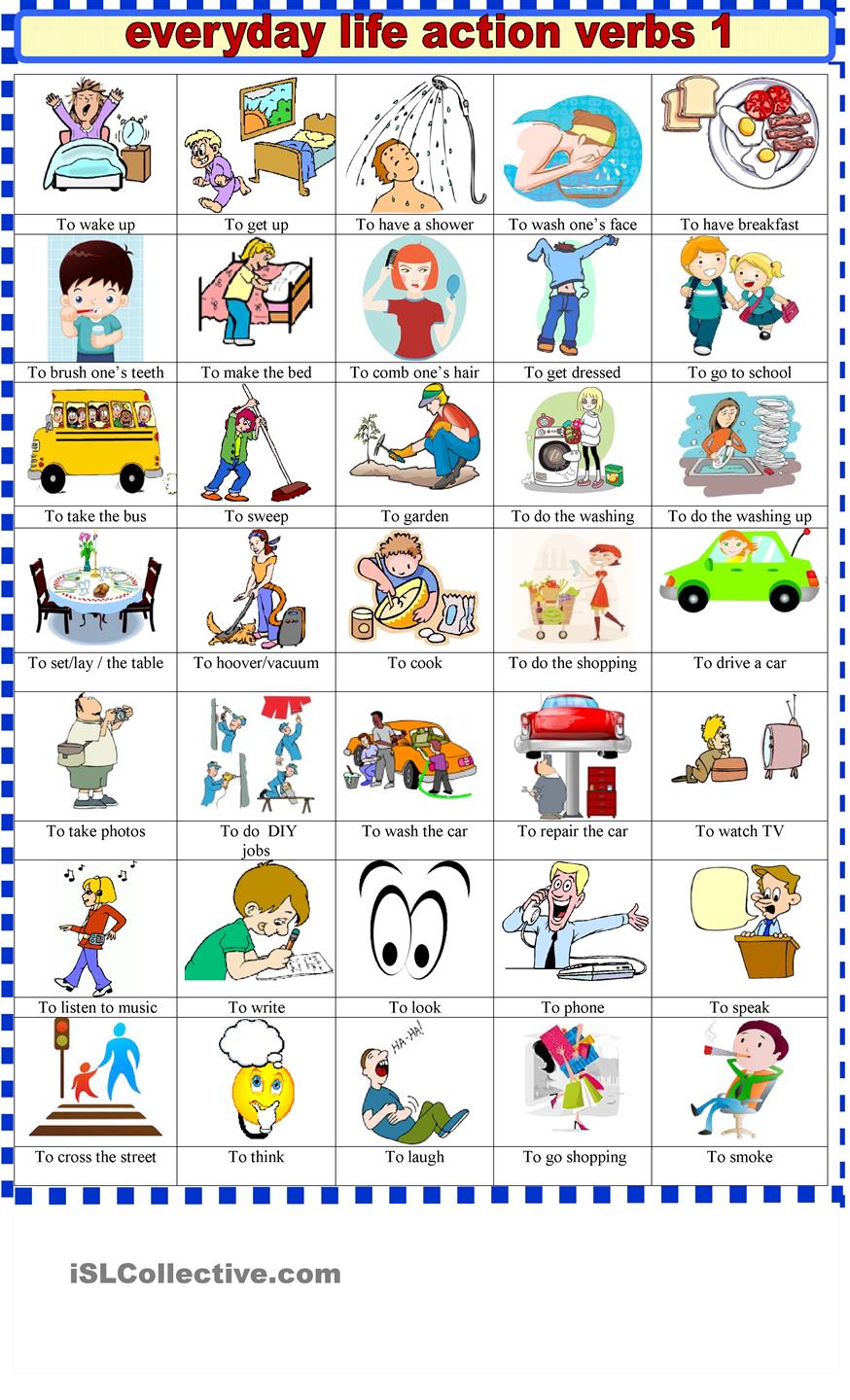
This one is on action verbs:
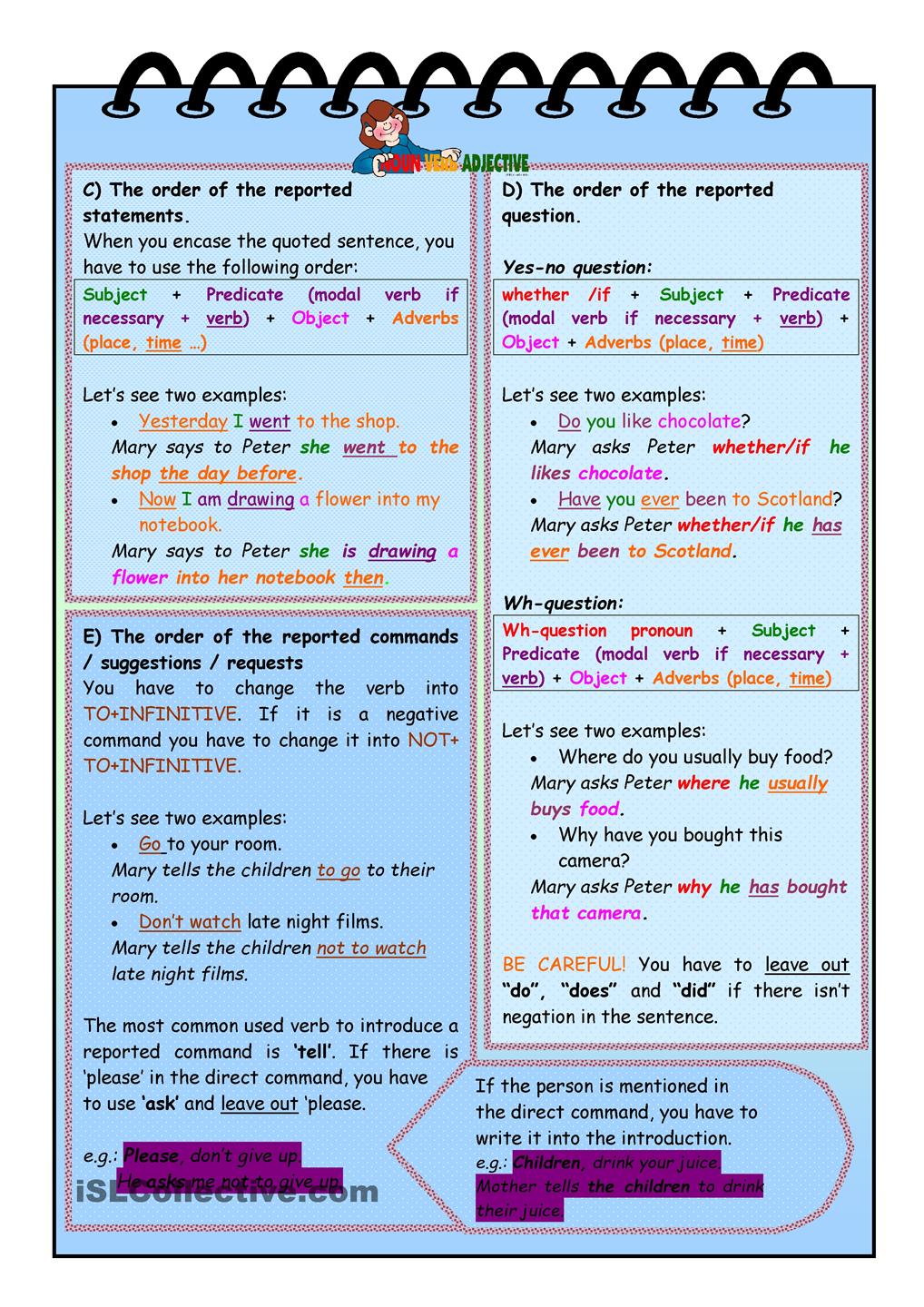
This one is on Indirect/Reported Speech:

On this website, you can also find this kind of printable handouts:

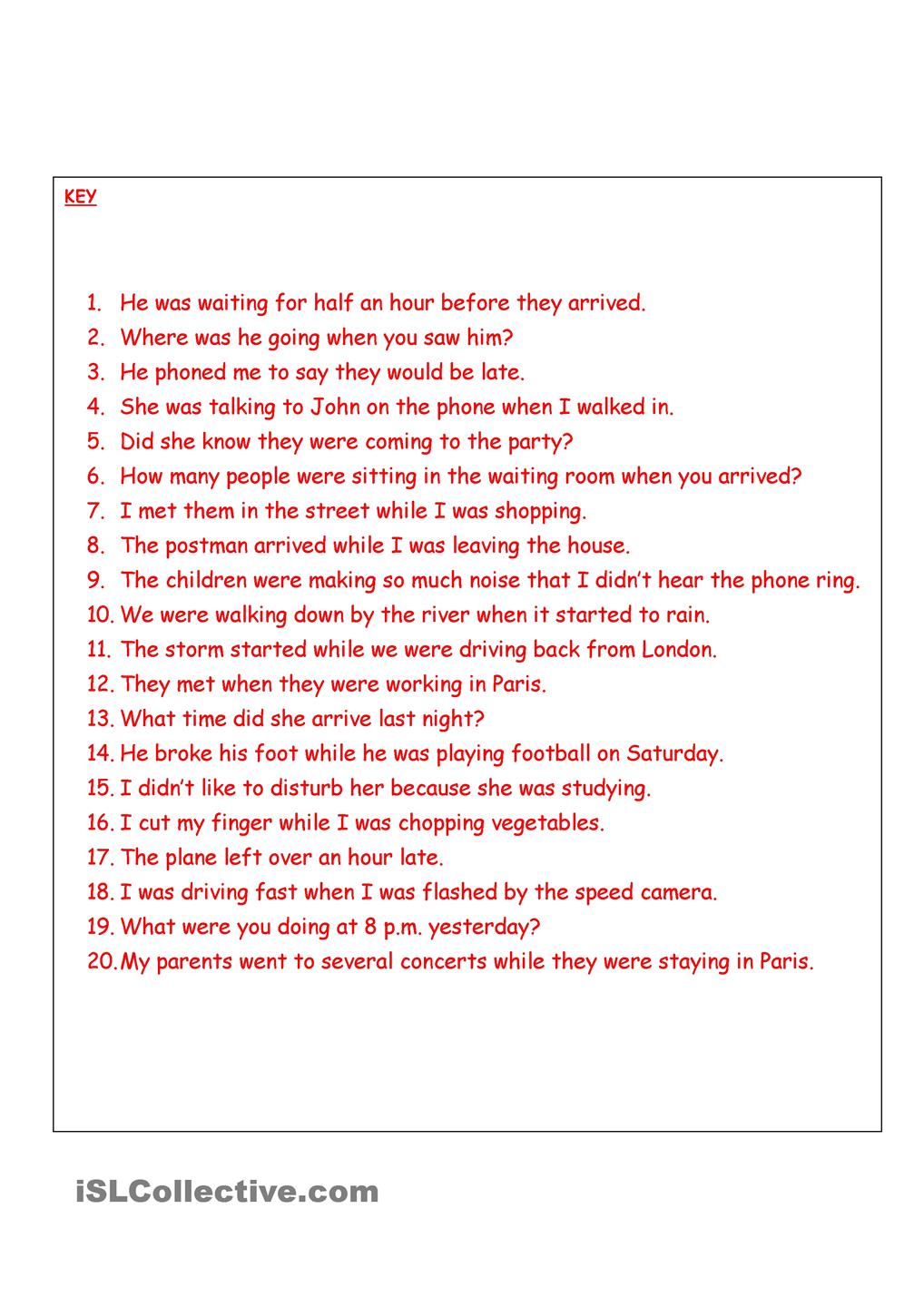
As you can see, there are grammar rules for a quick review, then exercises with answer keys.
I found this channel on YouTube which I think could be extremely useful for beginners and intermediate students.
Besides, you have subtitles on each video which is great ;-).
This is a Level 1 video on London:
This is the channel’s link: Stories To Learn English
This is Beauty and the Beast (Level 1):
For more advanced English students, this is a Level 6 video. Pride and Prejudice:

How to express feelings in English (for beginners) – PRO ACE’s video
How to express emotions in English (for beginners) – Shaw English Online’s video:
Expressing feelings in English (for Intermediate English students) – ESLEnglishFaby’s video:
 Example sentences from the web:
Video on this topic:
Now you are ready to test your knowledge on this topic :-).
//
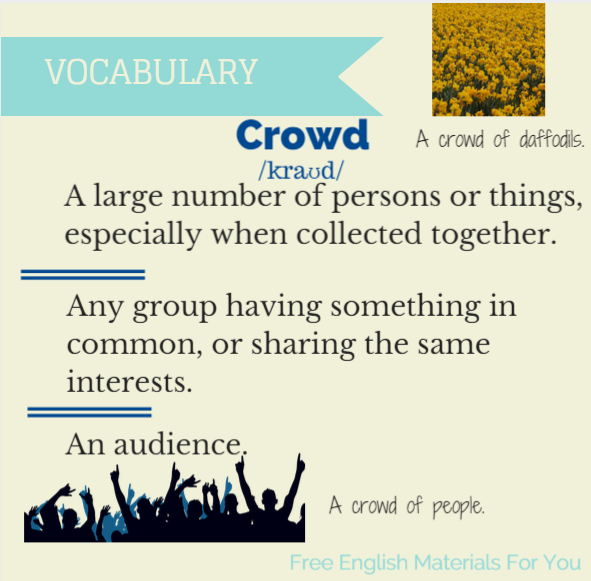
Examples from the web:
– The circus act never failed to attract crowds of curious people.
– The restaurant attracts a theatre crowd.
– The crowd from the office.
– The opening night crowd.
– It took some two hours before the crowd was fully dispersed.
– All the old crowd from my university days were there.
– You can learn to stand out from the crowd.
– When the song finished the crowd went wild.
– He disappeared into the crowd.
A blog full of tips, inspiration and freebies!
Just another WordPress.com site
English-Language Thoughts
Movie Reviews, Trailers, Polls, Lists, and More!!!

 Free English Materials For You