
8 March – Happy women’s day!

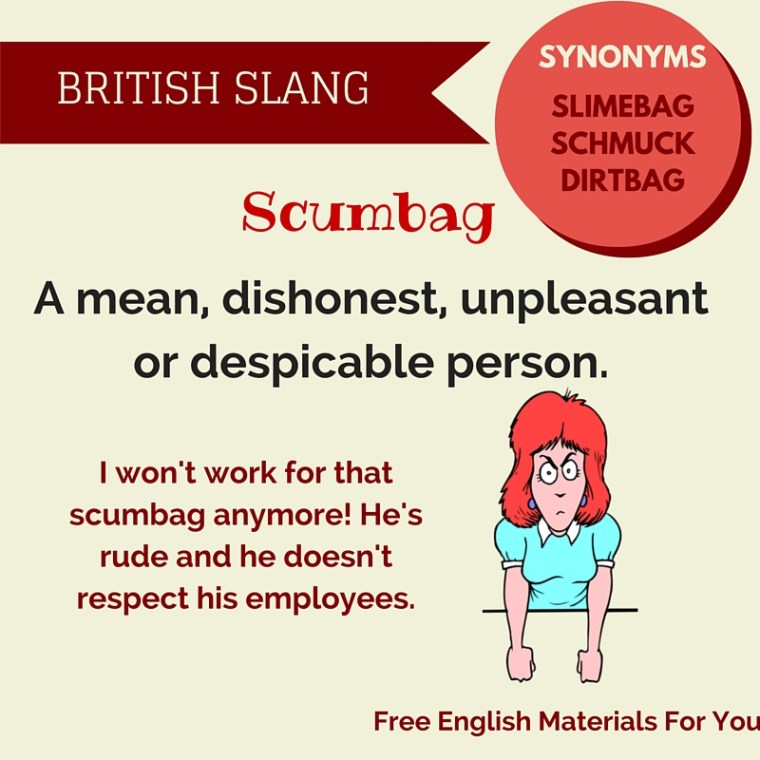
“Scumbag” – English slang
“Fair and square” – English idiom

More example sentences from the web:
-
Emily beat you fair and square in Marty’s trials.
-
My father won that money fair and square.
-
I earned it. Fair and square.
Past simple vs past continuous
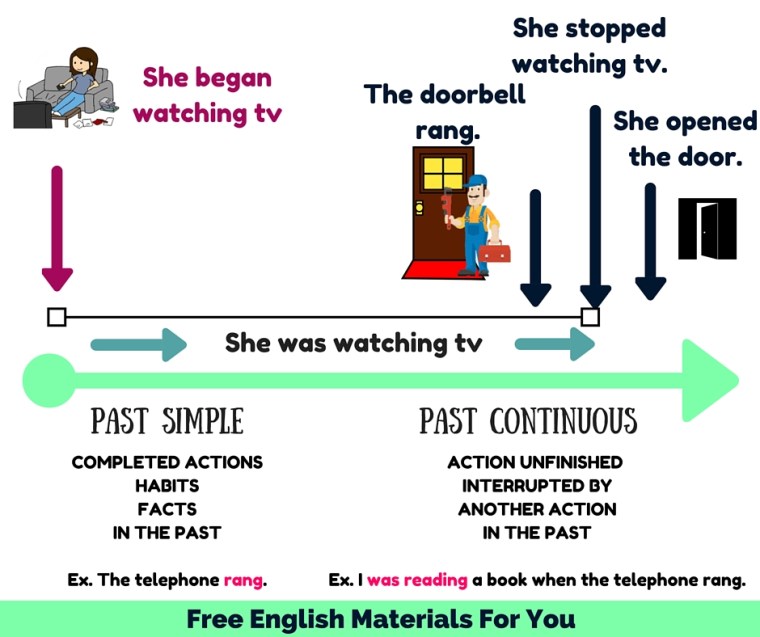
Fill in the gaps with the past simple or past continuous form of the verbs in brackets
-
I ______________ (walk) home when I ______________ (meet) Maria.
-
John __________________ (wait) for me when I ________________ (arrive).
-
I haven’t seen Andrew for ages. When I last _________________ (see) him, he ___________________ (try) to find a job in Dublin.
-
He _________________ (read) the newspaper when the phone _______________ (ring).
-
I _________________ (make) a sandwich when Mike _______________ (arrive).
-
We ________________ (not go) out because it ________________ (rain).
-
When I was young, I _____________ (want) to be a doctor.
-
He usually wears sandals but when I last ______________ (see) him he _________________ (wear) boots.
-
My brother ______________ (see) you in the park two days ago. You__________________ (play) football with Stuart.
-
While I _________________ (work) in the garden, I _________________ (hurt) my back.
Correct answers:
1) was walking; met.
2) was waiting; arrived.
3) saw; was trying.
4) was reading; rang.
5) was making; arrived.
6) didn’t go; was raining.
7) wanted.
8) saw; was wearing.
9) saw; were playing.
10) was working; hurt.
Downloadable PDF – past simple or past continuous – quiz with answers
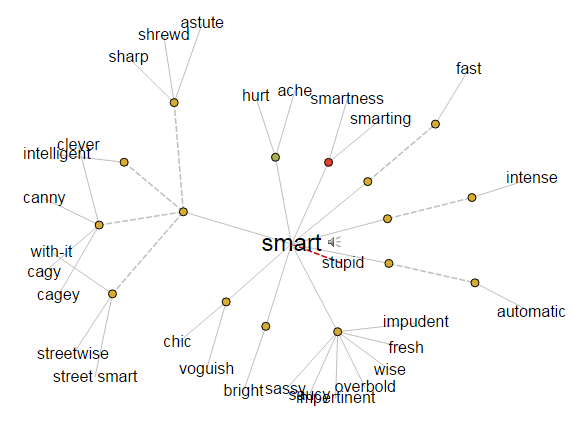
“Smart” – What does it mean?

Visual thesaurus of this term (source):
More example sentences from the web:
-
John is smart enough to get A’s in this class.
-
You’ re very smart but you don’t get certain things.
-
We know you can be useful to us, a smart kid like you.
*Notice that SMART means STYLISH, FASHIONABLE.
Ex. Now we will dress smart and we will eat together on the terrace of the hotel.

Collocations with ‘LOVE’ – 2
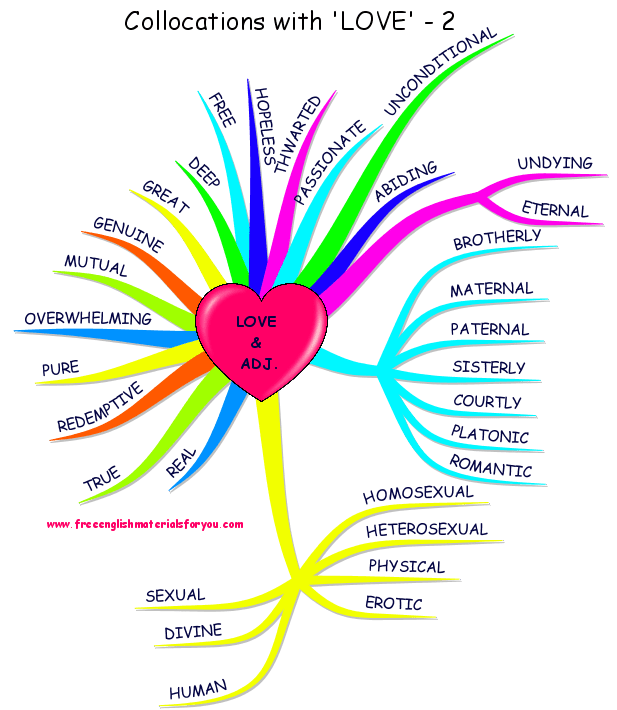
Downloadable IMX file: Biggerplate

Collocations with ‘LOVE’ – n°1

You can find this mind map (IMX. file) on Biggerplate.
“Love is blind” – English proverb
St. Valentine’s Day is approaching, for this reason, I decided to tell you about this proverb:
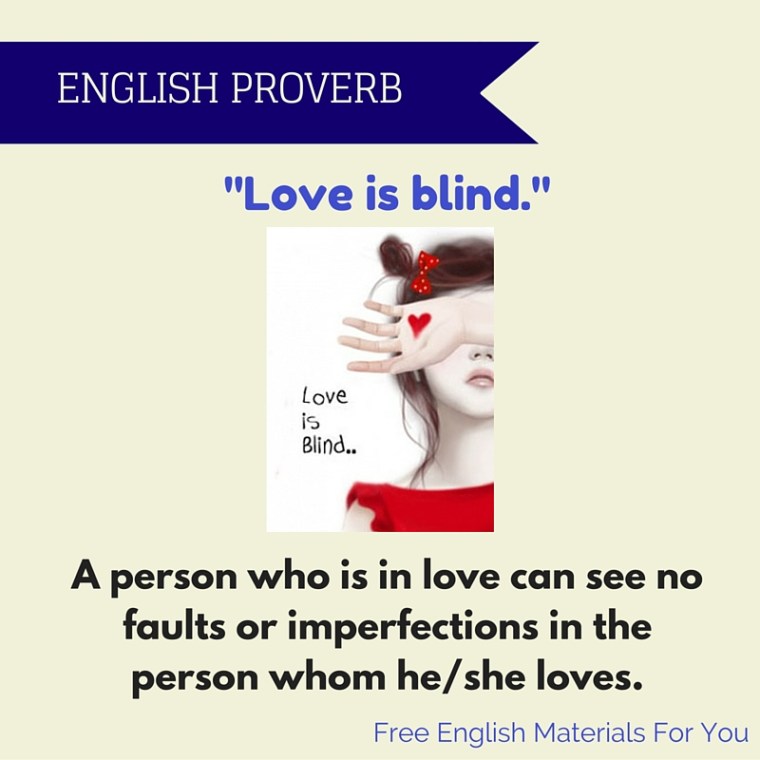
I think this saying is common all around the world, but what is less known is that a research study was conducted to find out if the blindness of love was just a figurative matter. In 2004, a group of researchers of UCL (University College London) found that feelings of love suppressed the activity of the areas of the brain that control critical thought. So guys … be careful with love  !
!
What’s the origin of this proverb?
This saying was first found approximatively in 1405, in Chaucer’s Merchant’s Tale:
For loue is blynd alday and may nat see.
At that time, it didn’t become a popular expression. Only later on, Shakespeare decided to use it in several of his plays making it famous and popular all around the world.
Two Gentlemen of Verona:
SPEED: Because Love is blind. O, that you had mine eyes;
or your own eyes had the lights they were wont to
have when you chid at Sir Proteus for going ungartered!
(2.1.67-69).

 Free English Materials For You