


Philip Haines is originally from London, England but lives in Mexico City, where he has been working as a teacher and teacher trainer since moving there in 1995. He is an author/co-author on several ELT series published in Mexico, in the primary, secondary and adult segments. Philip works as the Senior Academic Consultant for Oxford University Press Mexico.
In most ELT classrooms there are at least a few students who do not particularly like reading. There are many possible reasons for this, but one factor is that students often do not find the act of reading in the classroom very engaging, despite potentially interesting content. Teachers often capture students’ interest with pre-reading and post-reading activities, but when it comes to the actual process of reading some students are simply not engaged.Keep reading

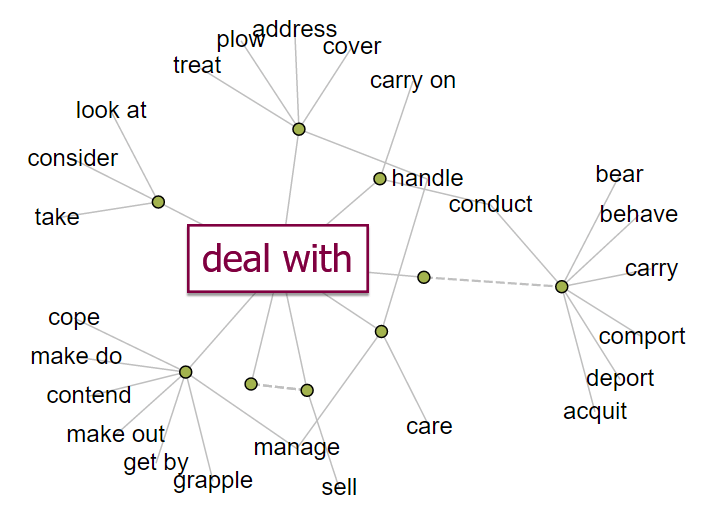
Articles online including this phrasal verb:
10 Tips for Dealing With Difficult People at Work – The Balance

Example sentences from the web:
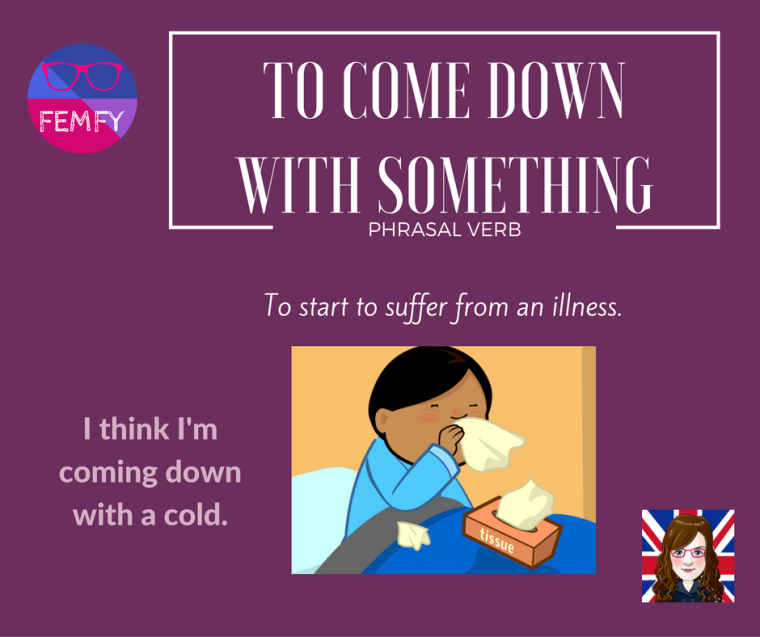
Example sentences from the web:

I’m currently teaching English to a 15-year-old girl and she is fond of gymnastics. This is why I’m teaching her English with Make it or Break it, an American television drama series set in the world of competitive gymnastics. Usually I make a vocabulary list for her, than we watch 15 minutes of one episode without subtitles. While we’re watching I ask her questions in order to check if she’s understanding everything. Then I give her 10-15 sentences with some gaps she’s to fill in and two sentences to translate from Italian into English. After learning English with this method for one year she got a B2 certification, so I must say I’m proud of her and I verified this is actually an effective method. Of course, I’m not just teaching her English with this TV series. Sometimes, we read newspaper articles or we watch a TED-Ed video, etc. but in my opinion, teaching with TV series is the most effective way to get teenagers focusing on learning English without getting stressed. She is not getting bored and she’s learning kind of easily.
Season 2, episode 8:

TO BE ON THE FENCE => unable to decide about something.
Another example sentence: I was on the fence till you showed up, but thanks for helping me decide.
Season 2, episode 9:
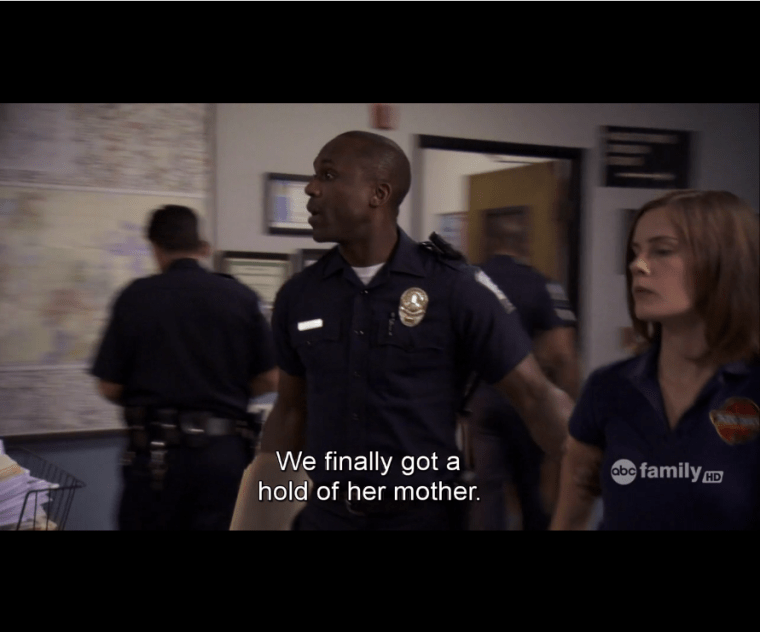
To get hold of somebody: to contact or find somebody.
Another example sentence: I got hold of the father, and he said the boy wasn’t there, and he doesn’t know about this yet.


Yesterday I watched this interesting video by National Geographic on Halloween so I decided to share it with you. As always you’ll find a vocabulary list below and a comprehension activity. I hope you’ll enjoy it :-).
COMMUNION (with somebody/something): the state of sharing or exchanging thoughts and feelings; the feeling of being part of something.
Ex. Many people who live in close communion with nature are superstitious.
PRANK: a trick that is done to someone usually as a joke.
Ex. Jackie’s pranks were starting to annoy her colleagues.
PATCHWORK: a thing that is made up of many different pieces or parts.
Ex. So the world is this complex patchwork of regions.
OCCULT: magic or supernatural.
TO STITCH WITH: to make (something) out of many different things
Ex. They stitched red and blue ribbons onto their hats.
TO SPAN: to last for a particular period of time, especially a long period.
Ex. His career spanned half a century.
TO SPREAD: to cover, or to make something cover, a larger and larger area.
Ex. The European flu continues to spread throughout the UK.
VEIL: something that covers or hides something else.
TO GATHER: to bring (things or people) together into a group.
Ex. The children gathered their toys (together) and put them away.
TO FROWN ON SOMEBODY/SOMETHING: to disapprove of somebody/something.
Ex. The company frowns on dating among employees.
TO MERGE: to combine or make two or more things combine to form a single thing.
Ex. He has plans to merge his own company with another one.
DECEASED: dead; no longer living.
THE FOLD: a group of people with whom you feel you belong or who share the same ideas or beliefs.
Ex. We are hoping that these policies will bring reluctant voters back to the fold.
FAMINE: a situation in which many people do not have enough food to eat.
EXTORTION: the crime of making somebody give you something by threatening them.
BRIBE: something valuable (such as money) that is given in order to get someone to do something.
Free PDF version: listening-activity-Halloween-vocabulary
1. Who originated Halloween traditions? What did they celebrate on October 31st?
2. Why did they lit huge bonfires and gathered around them?
3. When did the Vatican decide to merge this holiday with a church holiday?
4. All Saints day was known as …
5. What does ‘hallow’ mean?
6. When did Halloween become a ‘dangerous holiday’?
7. What was originally ‘trick or treat’?
Free PDF version: Listening-Activity-Halloween-questions
Answers: Listening-Activity-Halloween-answers
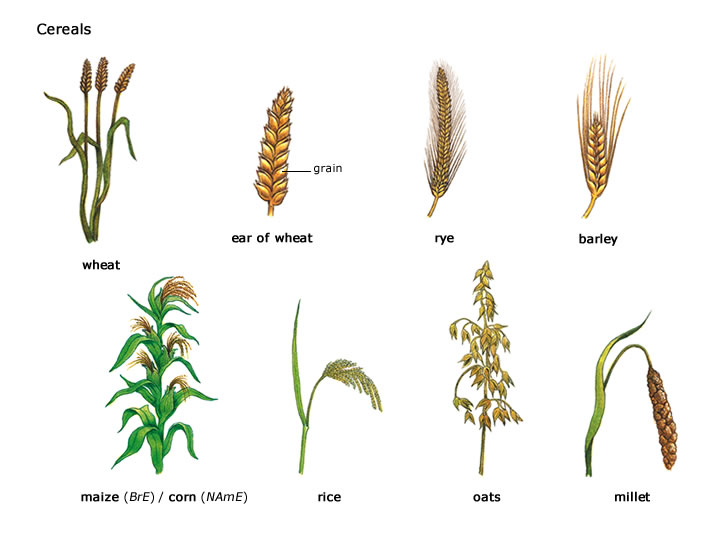
Yesterday, I came across this Ted-Ed video and I found it quite informative. It’s just 5 minutes long and it isn’t difficult to understand. As you can guess reading the heading, it’s about GLUTEN, allergies, and intolerances. On Ted-Ed‘s website, you can find other listening activities on the video.
Below a vocabulary list you should read before watching the video:
BIG DEAL: something that is very important.
Ex. This was a really big deal for me.
RECENTLY: not long ago
Ex. I received a letter from her recently.
DIETARY: related to your diet.
Ex. This kind of dietary behaviour needs to be stopped immediately.
CRAZE: an activity, object or idea that is very popular for a short time.
Ex. The new dance craze is spreading.
INSOLUBLE: not able to be dissolved in a liquid.
DOUGH: flour mixed with water, and other ingredients that is baked to make bread, cookies, etc.
TO MOUNT: to activate; to launch.
MILD: not strong in action or effect.
Ex. Your friend had a mild heart attack.
TO IMPAIR: to make something weaker or worse.
Ex. Smoking can impair your health.
RASH: a lot of small red spots on the skin that is caused by an illness or a reaction to something.
FORTUITOUS: happening by chance; not planned.
Ex. My presence here is fortuitous.
PDF version: what-is-the-big-deal-with-gluten-vocabulary
Fill in the gaps in the following sentences:
PDF version: whats-the-big-deal-with-gluten-fill-in-the-gaps-without-answers
Answers: what-is-the-big-deal-with-gluten-answers
A blog full of tips, inspiration and freebies!
Just another WordPress.com site
English-Language Thoughts
Movie Reviews, Trailers, Polls, Lists, and More!!!
 Free English Materials For You