Quiz on past tenses

Fill in the gaps with a verb from the box in the past simple, past perfect simple or past perfect continuous tenses. Use each verb once:
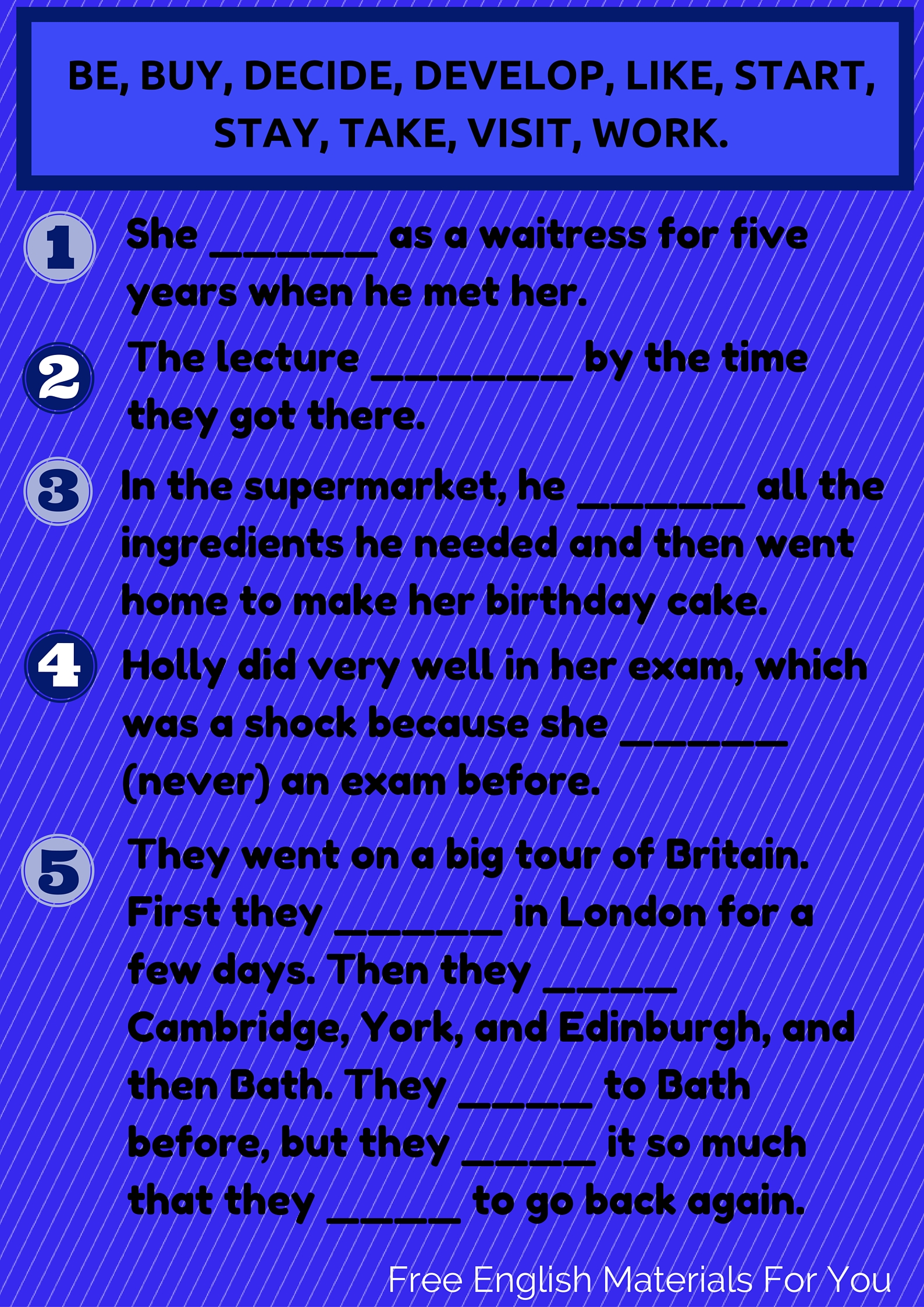
Quiz on past tenses

Tomorrow the answers will be available on Facebook: Free English Materials (Album: Quizzes’ answers).

Taken from Hopkins, D., Cullen, P. (2007), Grammar for IELTS, Cambridge, Cambridge University Press, p. 33.

Click here for an interactive version of this quiz: Quiz on past tenses.
iSLCollective

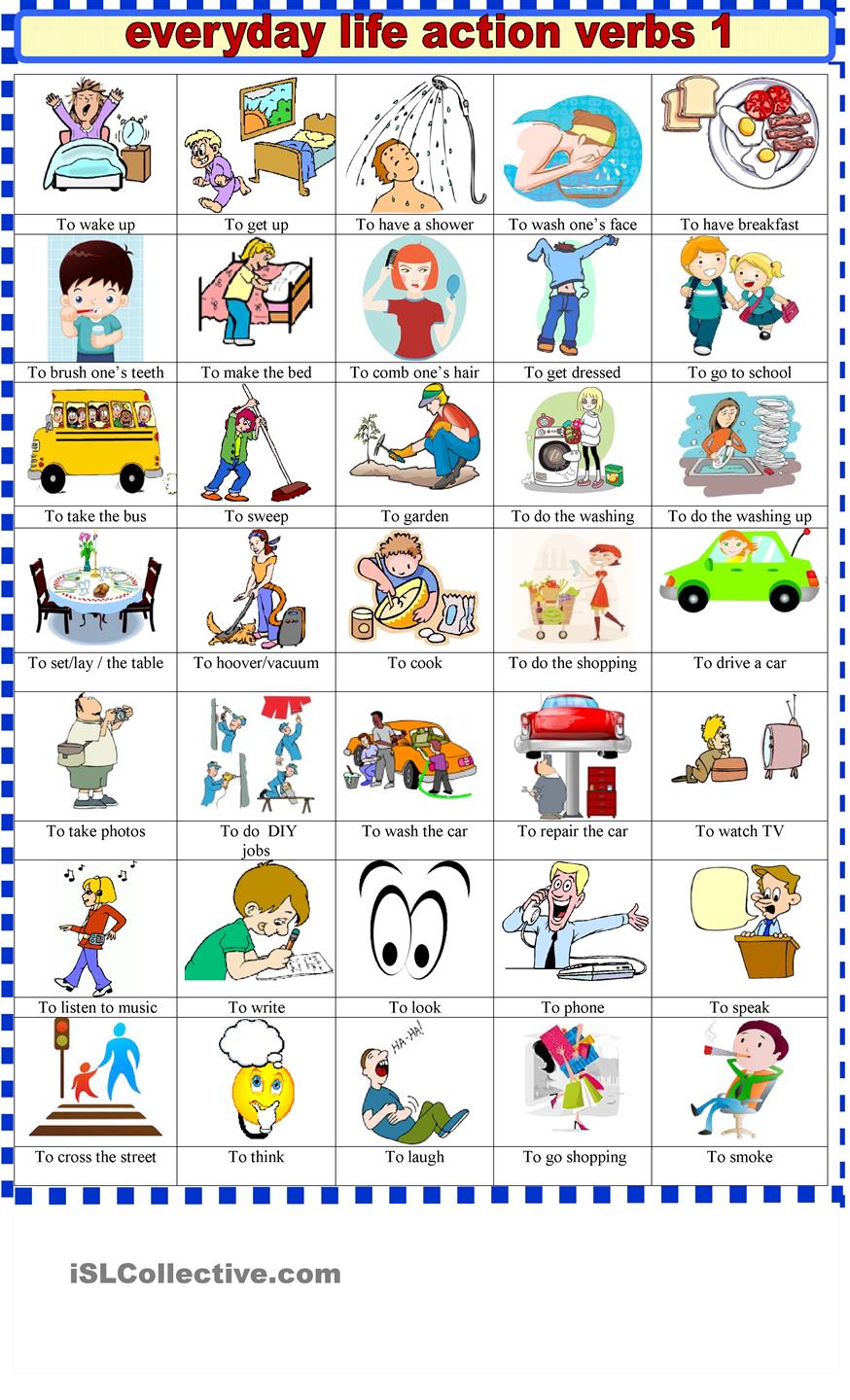
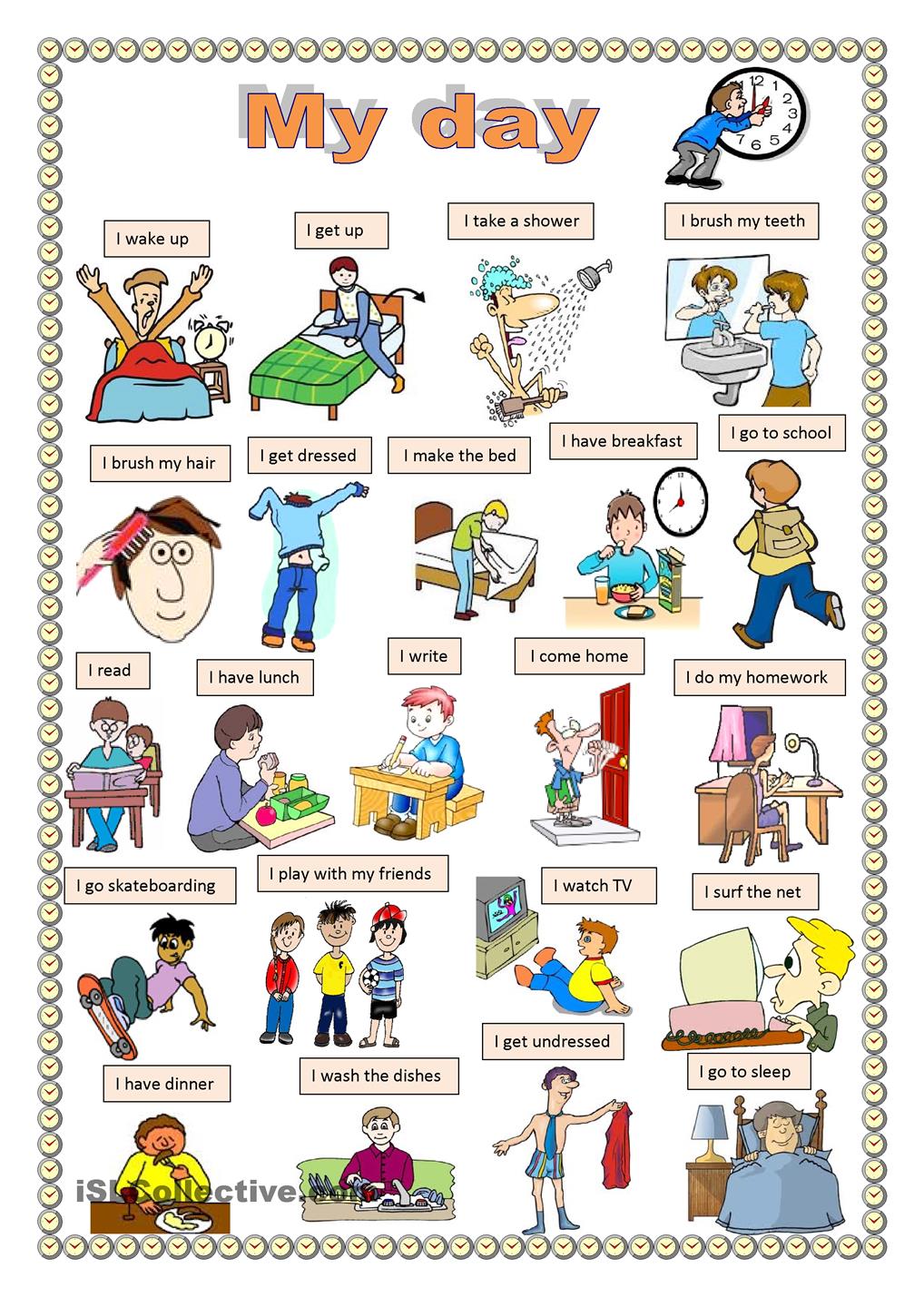
iSLCollective (Internet Second Language Collective) is a website where you can find useful resources. You must register in order to download the handouts, but it’s for free. For example, this is a poster on daily activities:

My day

Image source

This one is on action verbs:

action verbs

Image source

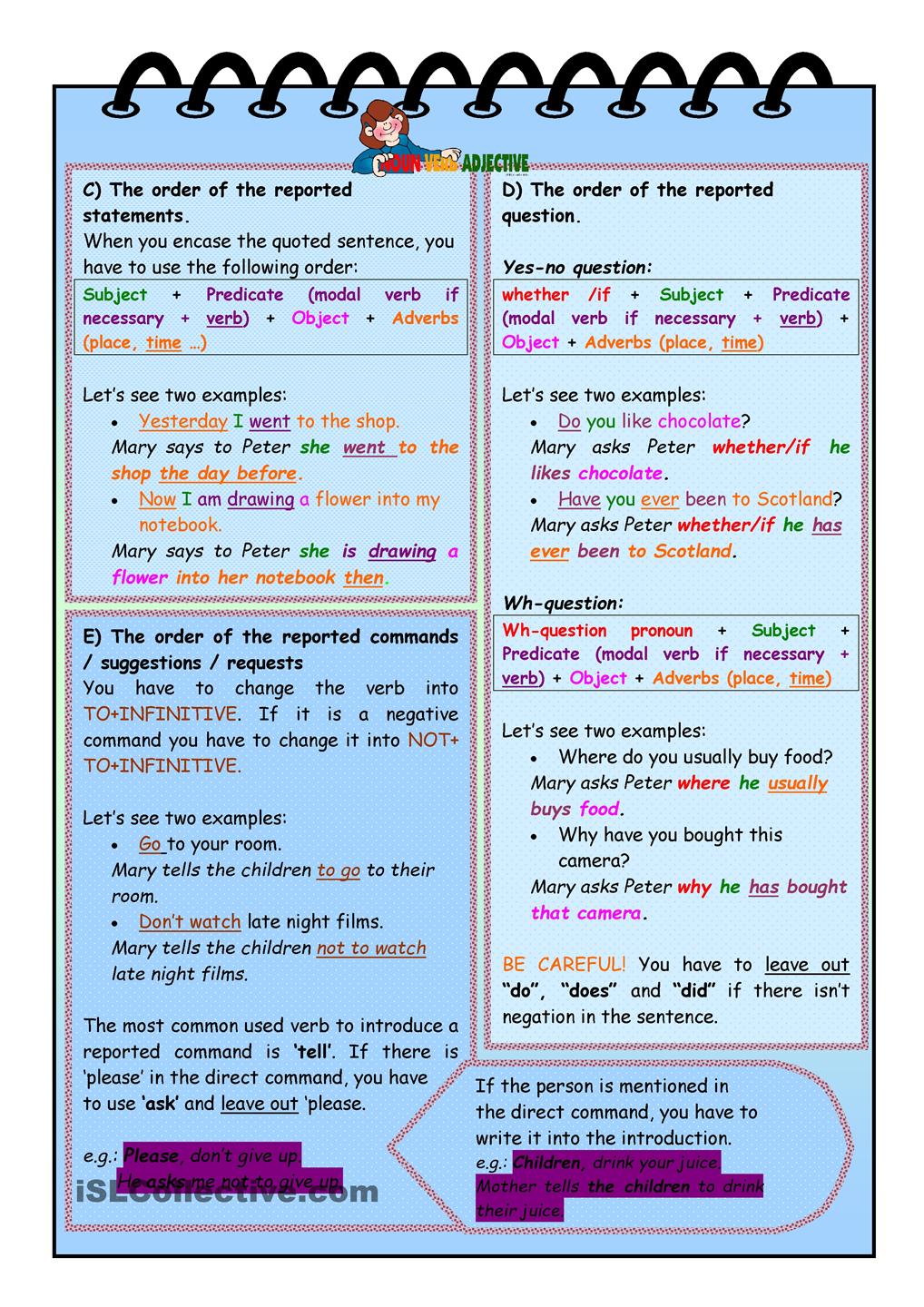
This one is on Indirect/Reported Speech:

Reported speech1

Reported Speech 2

Image source

On this website, you can also find this kind of printable handouts:

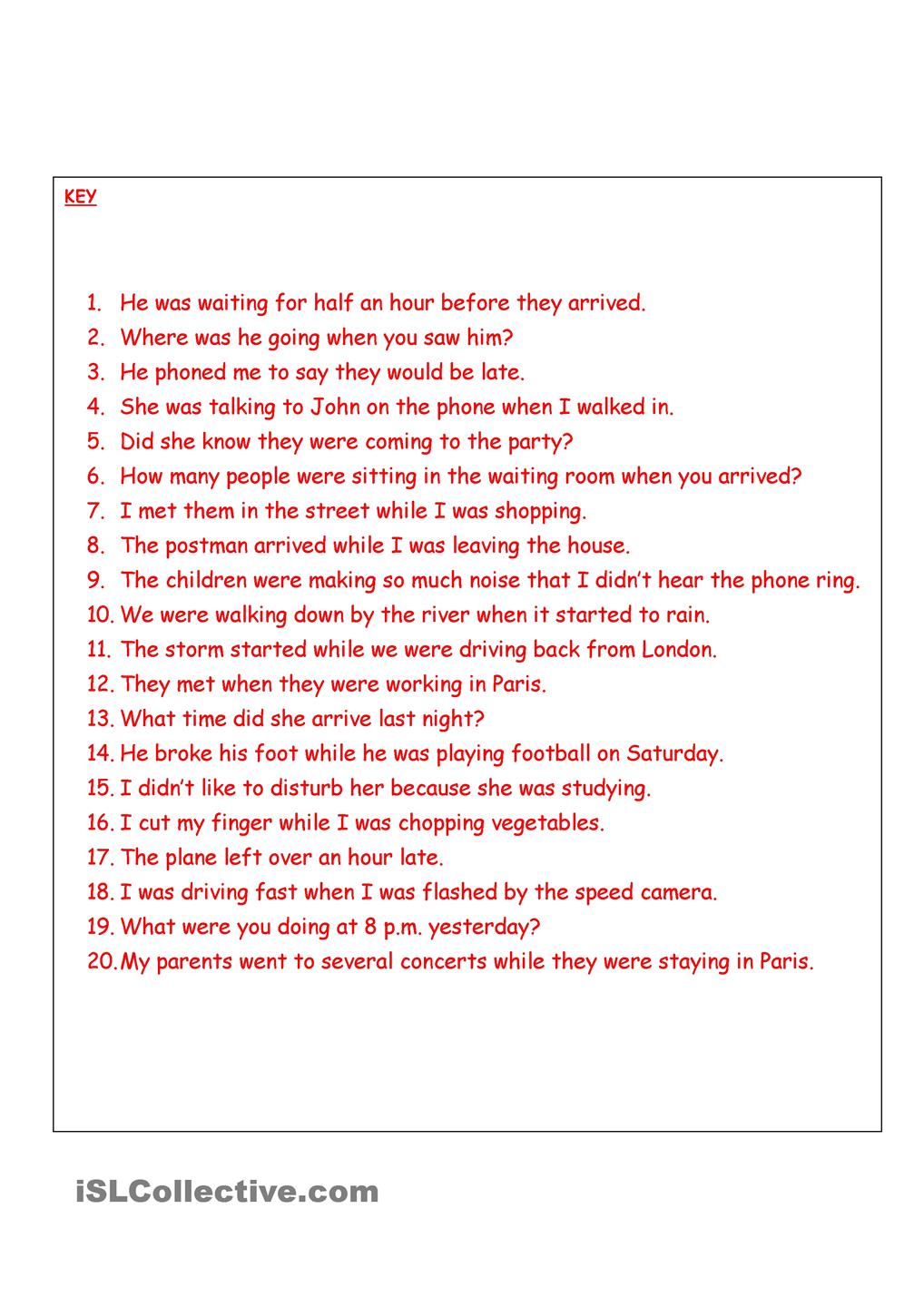
Worksheet on Past Simple vs Continuous Correct answers worksheet past simple vs continuous

Image source

As you can see, there are grammar rules for a quick review, then exercises with answer keys.

Collocations with ‘journey’

I made this mind map because students often confuse these collocations. In this way, I hope it will be easier for you to remember the most common verbs you can use with this word.

Collocations with 'journey'

Download the pdf version of this mind map: Verbs + journey or the imx file available on Biggerplate.

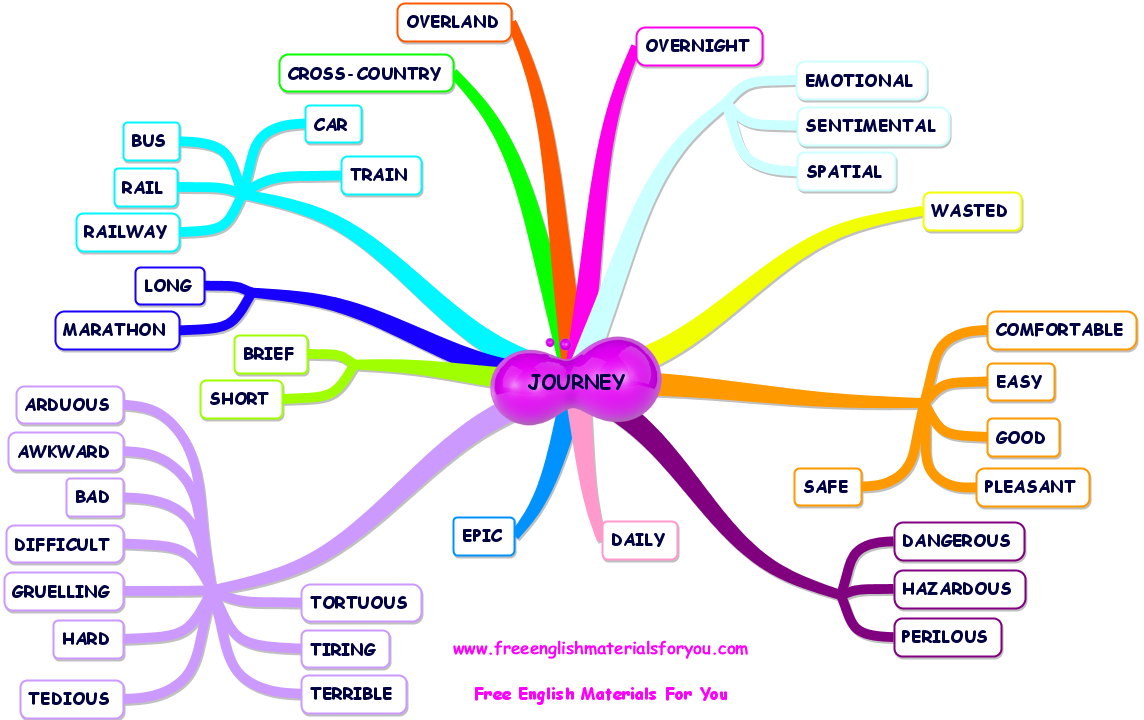
These are the most common collocations with ‘journey’ + adjective or adjective + ‘journey’:

collocations with journey 2

You can download this mind map (imx file) on Biggerplate.

Example sentences from the web with some of these collocations:

  • The train journey, which I’ve taken from Pyongyang to the border, takes about five hours.
  • In the evening, five days after leaving Irkutsk, the train arrived in the Russian-administered city of Harbin. Here my grandfather decided to end his long railway journey.
  • Rebecca was exhausted, jet-lagged, hot, still shaking from the hour-long bumper car journey from the airport.
  • The Yellow River’s epic journey across northern China is a prism through which to see the country’s unfolding water crisis.
  • I traded in my luxury car and briefcase for a pair of walking shoes and a backpack and started a cross-country journey from Times Square.
  • It was the worst possible scenario on the best of all trips: a sentimental journey into the finest elk country in the West.
  • I chose not to call him to wish him a safe journey.
  • In a long, hazardous journey west, G. reached Portugal in mid-1941, and later went to London.
  • Achieving a representative form of government has been a long and tortuous journey, and the search for equity and justice has been an ongoing attempt to find or fashion a world that recognizes and respects all of those who live in it.

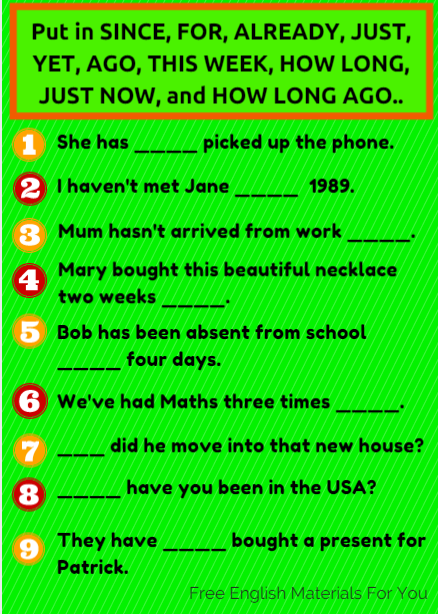
Test – Time adverbs/ expressions

Fill in the blanks with time adverbs or expressions written in the box:
16-08-2015 Test

Tomorrow the answers will be available on Facebook: Free English Materials (Album: Quizzes’ answers).

Click here for an interactive version of this quiz: Test – Time adverbs/expressions

//

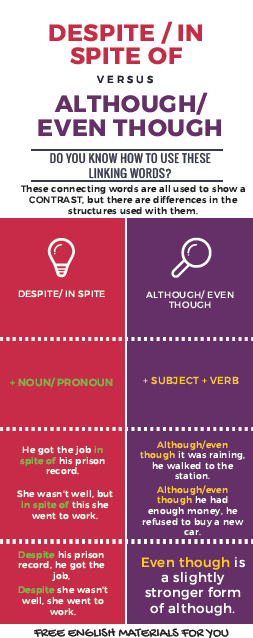
Linking words – test

Linking words (named also “connecting words”) are essential for those who want to improve their writing skills.
What are linking words?
As you can deduce these English words are employed to link/connect parts of speech or whole sentences.
Linking words can be used to:

– show the reason for something;
– add ideas together;
– contrast ideas.

LIST OF LINKING WORDS

Find out if you know how to use linking words, take this test:

Test on linking wordsGriffiths, M. (2010), IELTS Writing: A Comprehensive Guide, Smashwords Edition. 

Tomorrow the answers will be available on Facebook: Free English Materials (Album Quizzes’ answers).

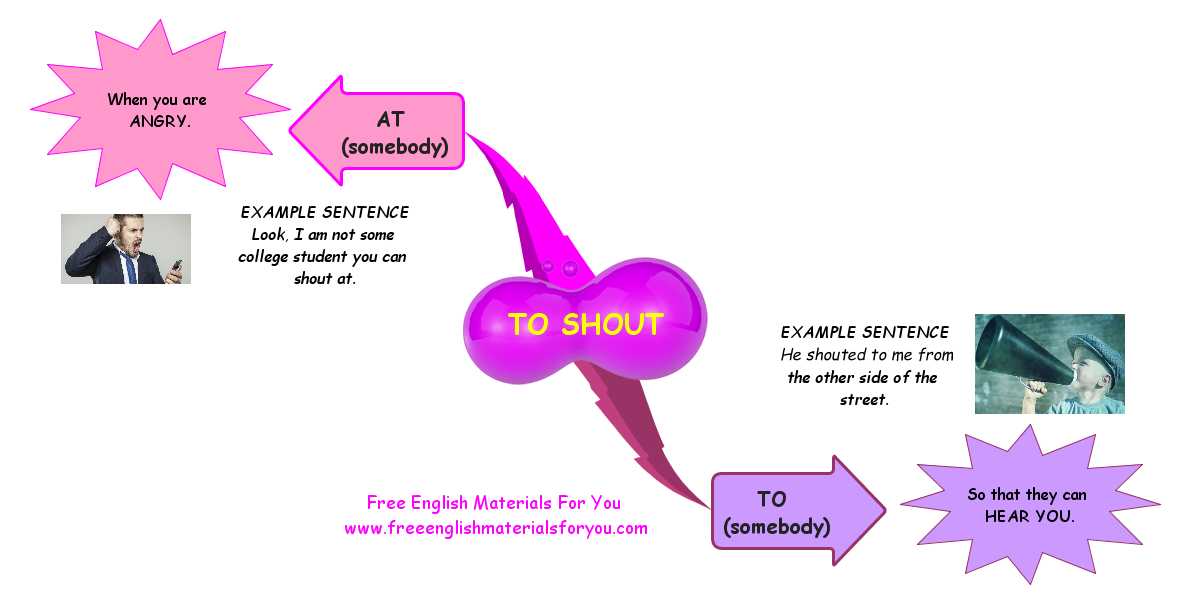
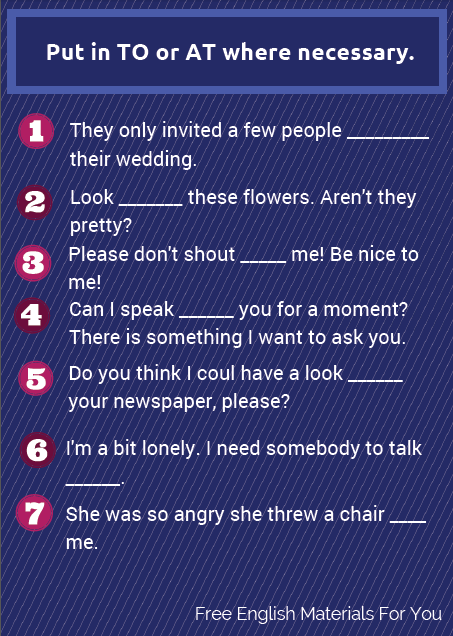
Do you know the difference between “to shout to somebody” and “to shout at somebody”?

Difference_between_shout_to_and_shout_at
TO SHOUT AT (somebody) => When you are angry.
TO SHOUT TO (somebody) => When you want  people to hear you.

Example sentences:

  • Look, I am not some college student you can shout at.
  • He shouted to me from the other side of the street.

If you want you can download this mind map as imx file here: Biggerplate.

Do you know the difference between “in time” and “on time”?

On_time_vs_in_timeExample sentences from the web:

  • ON TIME
    Today’s flight is on time. Departure is 10:30 am. (=the flight will leave on time, it’s on schedule to leave at 10:30 am)
    – Remember to be on time for work tomorrow or I will fire you! (=do not be late)
    – He starts a new job at the railway station tomorrow and he wants to be on time for work.
    (= he doesn’t want to be late)
  • IN TIME
    Will you be home in time for lunch? (= soon enough for lunch)
    – He was just in time for the last train. (= he was almost too late)
    – The plot to assassinate the president was discovered just in time
    (= they could find the hit man before it was too late, otherwise, the president would have been murdered)

Video on this topic:

Now you are ready to test your knowledge on this topic :-).

//