
Simple present or present progressive?
Taken from Alexander, L. G. (1998), Longman English Grammar Practice for intermediate students, Harlow, Longman
Simple present or present progressive?
Taken from Alexander, L. G. (1998), Longman English Grammar Practice for intermediate students, Harlow, Longman
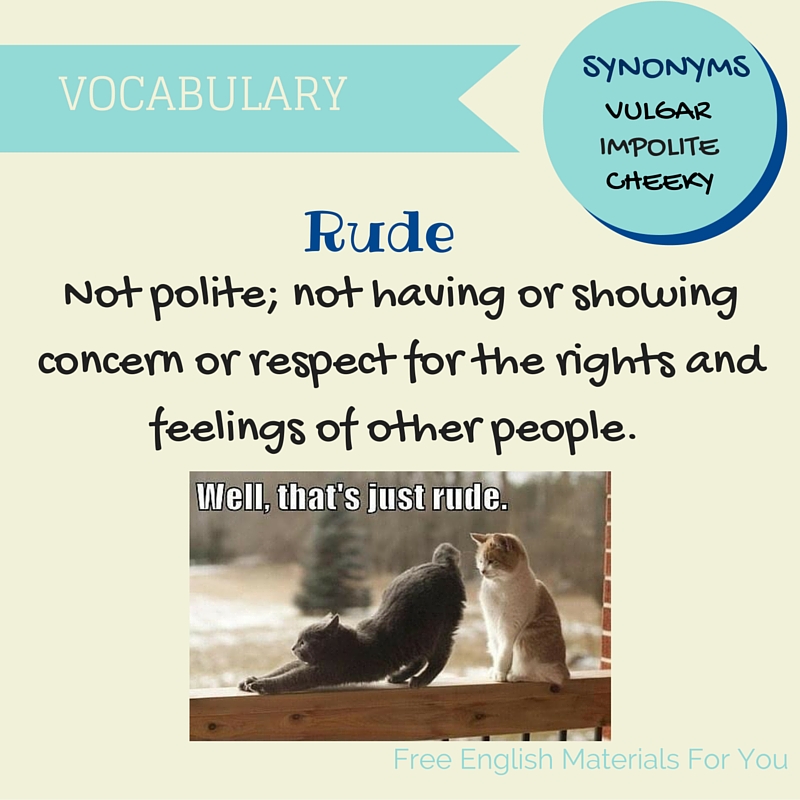

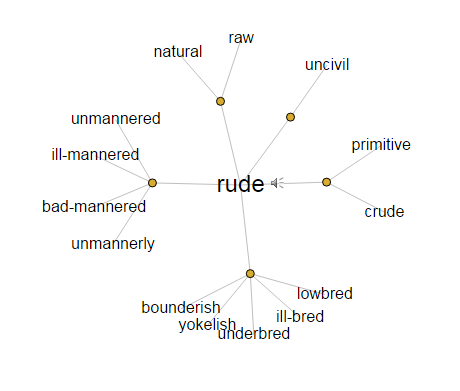
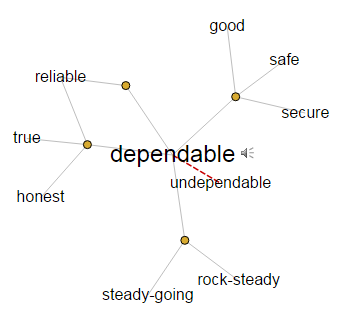
A visual map of rude’s synonyms:
Example sentences from the web:
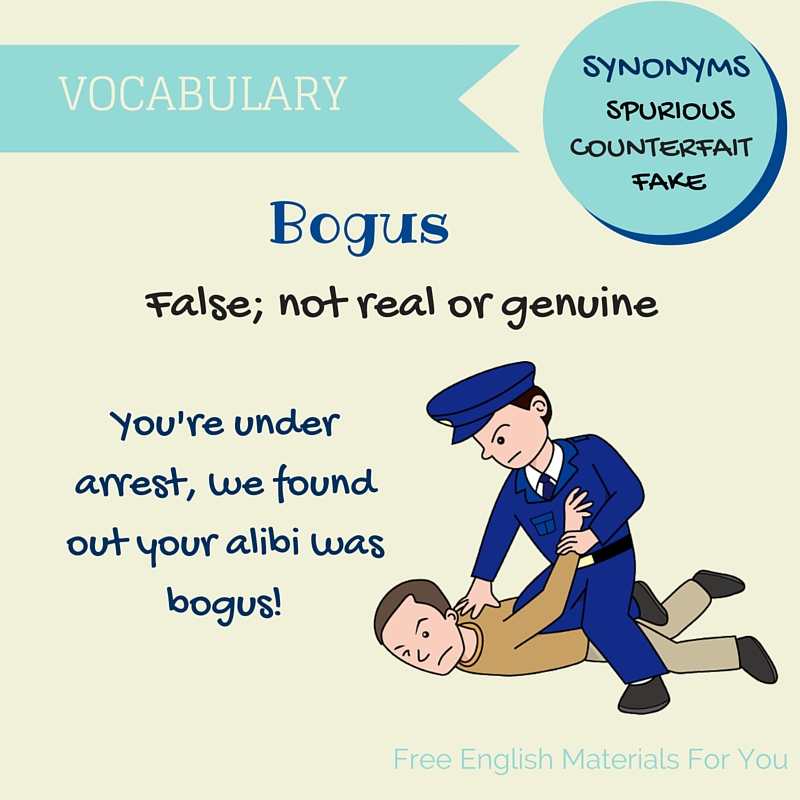
Example sentences from the web:
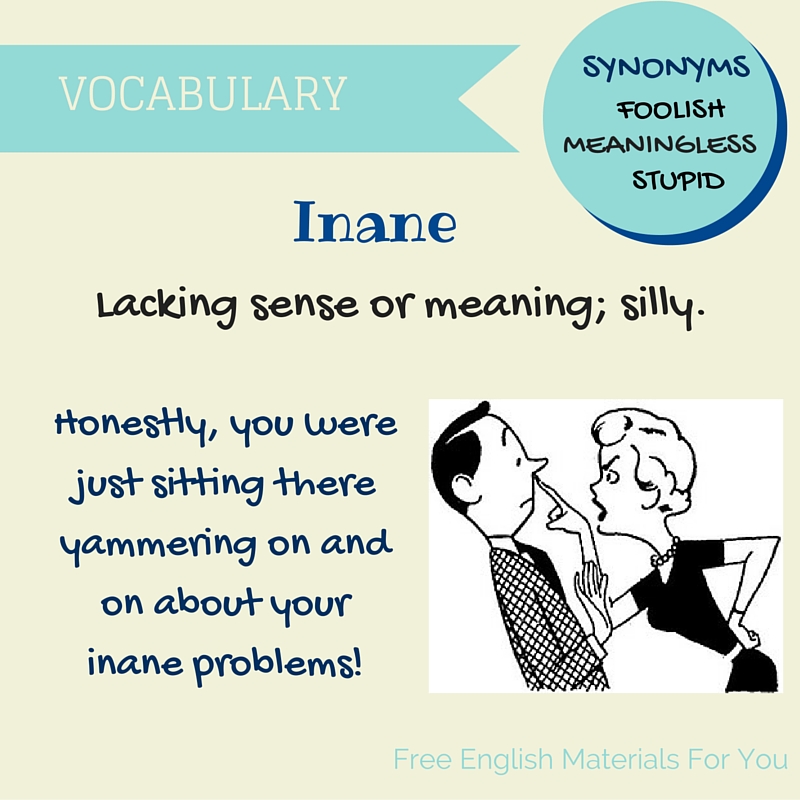
Example sentences from the web:
Words from the example sentences you may not know:
– To yammer => (informal) to talk in an annoying way usually for a long time.
– Cliché => something that people have said or done so much that it has become boring or has no real meaning.

Example sentences from the web:


Conjugation of “TO COME“. (link)
EXAMPLES FROM THE WEB
COME ALONG => Arrive at a place
– Go now and I will come along later.
– He decided to give the money to the first stranger who came along.
– Even if another job comes along this summer, I won’t take it.
COME OUT => Disappear or become less strong (of dirt or colour on clothing/material)
– We scrubbed the carpet with soap but the stains still wouldn’t come out.
– Let your dress soak overnight and the stain will probably come out.
COME OUT => Become public knowledge after it has been kept secret (of the truth)
– The truth is beginning to come out about what happened.
– The news of her death came out last week.
COME OUT OF => Leave after a period in a place (of hospital/prison)
– After three years, she came out of the coma.
– Mandela came out of prison after 27 years of captivity.
– The criminal came out of the house with arms raised.
COME OUT => Be given to people (of results or information)
– When do your exam results come out?
– Elections were held in Albania on 2 July and the results came out on 2 September.
COME APART => Separate into pieces
– It came apart when I tried to lift it off the floor and I had to glue it back together.
– The artery that is bringing blood to your brain, it’s coming apart.
– The doll just came apart when touched.
COME AROUND/ROUND => Become conscious again
– The unconscious patient finally came around.
– My sister was with me when I came round after the operation.
Here you can download the mind map (imx file).

EXAMPLES FROM THE WEB
COME ABOUT => Happen, especially something that is not planned
– How did such a mess come about, anyway?
– How did this quarrel come about?
– I truly believe that the integration of the European Union cannot come about if we do not proceed rapidly to unify rules relating to justice.
COME OFF => Happen successfully, or as planned
– I was surprised when the plan came off so easily.
– To everybody’s astonishment, the scheme came off.
– She didn’t come off well in that interview.
COME UP => Mentioned or discussed
– Your name came up in conversation.
– If the subject of Nobel Prizes comes up, maybe you could drop something about my nomination.
COME UP => Happened unexpectedly, usually a problem or difficult situation
– I’ll be late home tonight because something’s come up at work has to be ready for tomorrow morning.
– I’m sorry, but something came up at home and I couldn’t finish my homework.
– I’m the one who promised to take her to the theater, but then something came up.
COME UP=> Become available
– And when the PE vacancy came up, she suggested Jason.
– Now, there had been some rumors that if a vacancy came up on the Supreme Court, that LBJ might appoint me.
– A full-time opening came up, and Jack gave the job to his son.
Here you can download this mind map (imx file).

EXAMPLES FROM THE WEB
COME UP AGAINST => Encountered or have to deal with (a difficult situation)
– The negotiations came up against stumbling blocks on several points.
– I’ve never come up against anything I can’t handle.
– Two years ago, the Amsterdam Council already came up against this problem and did not manage to solve it.
COME TO => Make (a decision about something)
– I’ve got to come to a decision.
– Everybody in the school comes to that conclusion?
– In 1992, the French came to a decision on the basis of spurious information.
COME ACROSS => Discover (or met) by chance
– I came across my old school reports when I was clearing out my desk.
– Recently, I’ve come across some useful information.
– He’s the most brilliant student I’ve come across.
COME DOWN TO => Depend mostly on or be influenced most by
– I guess in the end my decision will come down to what my professor recommends.
– It all comes down to a question of who tries hardest.
A blog full of tips, inspiration and freebies!
Just another WordPress.com site
English-Language Thoughts
Movie Reviews, Trailers, Polls, Lists, and More!!!
 Free English Materials For You